
Fewer models, clearer identities, and a long-overdue correction in the bike industry.
Published by Radical Life Studios / MTB Report
For years, bike manufacturers expanded endlessly. Every season brought new models, new niches, new categories that blurred into each other. “Downcountry,” “super-enduro,” “all-mountain-plus,” “light e-enduro”… the vocabulary grew faster than the bikes themselves.
But the industry is changing direction.
What once looked like innovation now looks like noise.
Today, more brands are deliberately cutting their lineups. Some reduce entire categories. Others collapse multiple bikes into one platform with adjustable geometry or modular components. Riders browsing catalogs or websites notice something unusual: there is suddenly less to choose from — and that is intentional.
The shift began when sales data revealed a simple truth:
Most riders weren’t buying the fringe categories.
They were buying the core bikes — the “one-bike” platforms.
Manufacturers learned a hard lesson during the oversupply crisis:
Too many models mean too many risks.
Too many SKUs mean too much inventory.
Too much fragmentation makes production unstable.
But there is another angle: technology has matured.
A modern trail bike does what three different bikes once did.
A current enduro can be pedaled efficiently and descend like a mini DH.
E-MTBs cover so many scenarios that entire analog categories have become redundant.
By reducing lineups, brands aren’t limiting choice — they’re eliminating confusion.
There is also the cost factor.
Suspension development, motor integration, battery platforms and carbon moulds have become expensive. Supporting ten frame models splits engineering resources thin. Supporting four creates quality. Some brands found that reducing the portfolio improves durability, consistency and long-term service support.
For riders, this shift has clear consequences.
Shopping becomes simpler.
You no longer need to decode marketing categories or decide between near-identical models. The bikes available are those that truly matter — those most people actually ride.
Service becomes easier.
Dealers can stock fewer parts but offer better expertise.
Online communities gather around fewer platforms, making knowledge more reliable.
And performance becomes clearer.
When a company focuses its engineering on fewer bikes, each one improves faster.
This isn’t the industry shrinking.
It’s the industry finally growing up.
And for riders, the message is surprisingly refreshing:
You don’t need ten bikes to find the right one.
You just need one bike that’s been built with full attention —
not as an afterthought in a crowded catalog.
Market Structure & Model Reduction Trends
https://www.bike-eu.com/
https://www.statista.com/topics/1112/bicycle-industry/
Product Philosophy & Platform Consolidation
https://www.pinkbike.com/
https://enduro-mtb.com/en/
Brand Technical Briefings (general)
https://www.sram.com/
https://www.shimano.com/
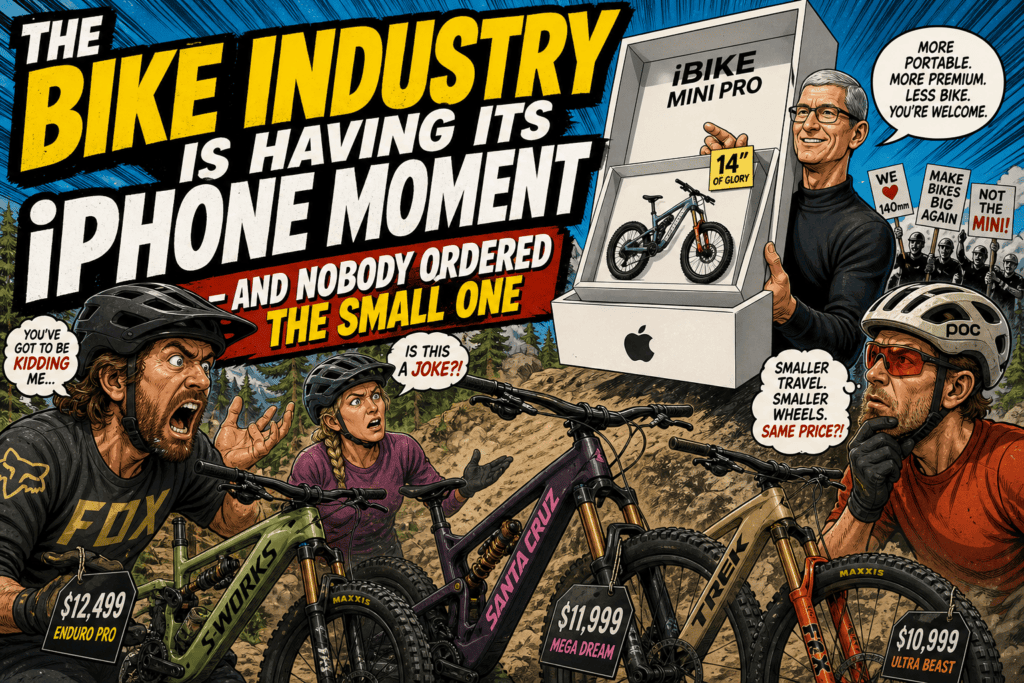
- The Bike Industry Is Having Its iPhone Moment – and Nobody Ordered the Small One

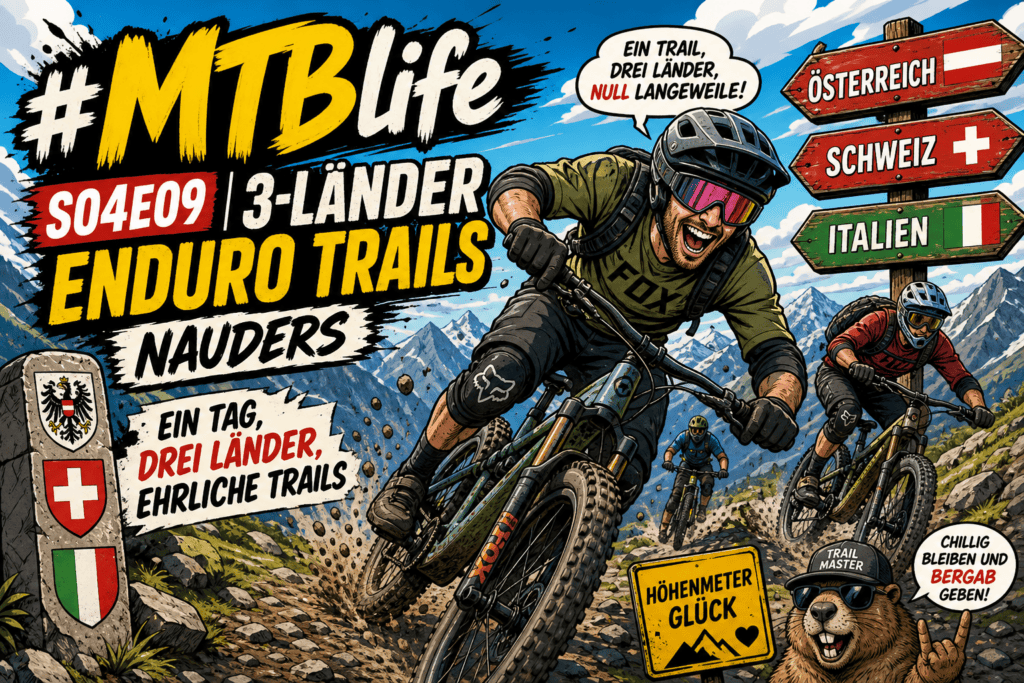
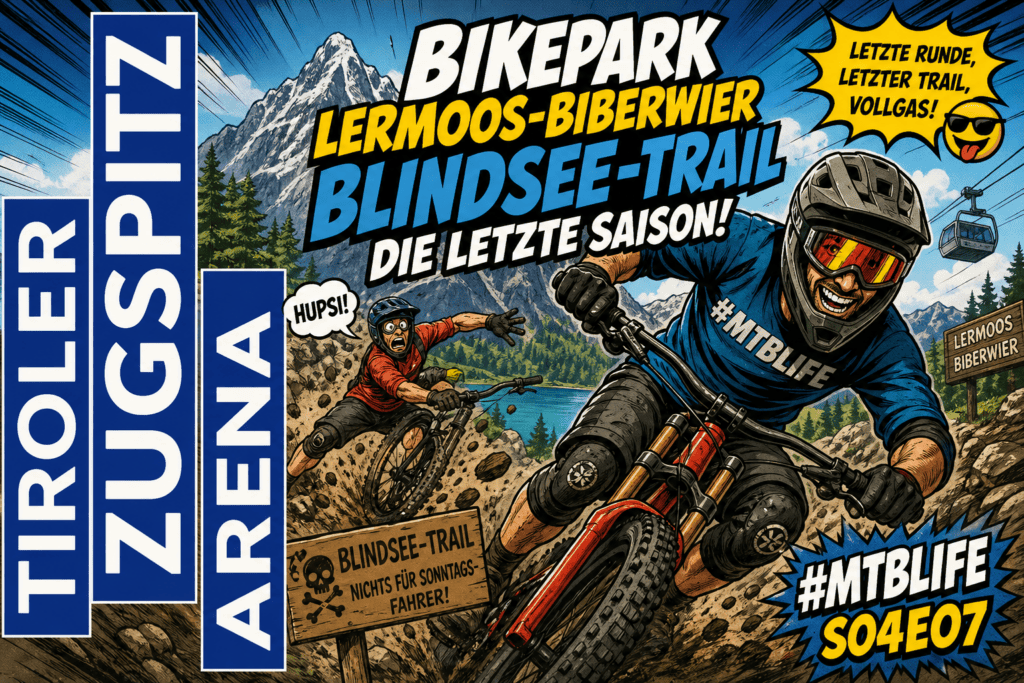
- MTBlife S04E09 | 3-Länder Enduro Trails Nauders – Ein Tag, drei Länder, ehrliche Trails
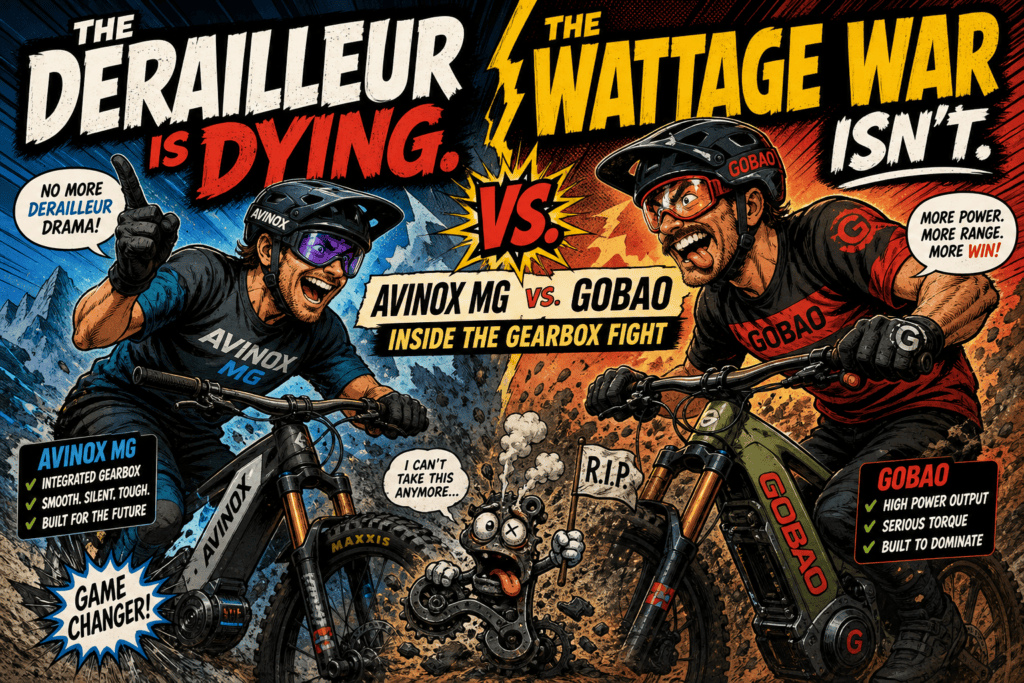
- The Derailleur Is Dying. The Wattage War Isn’t. Avinox MG vs. Gobao – Inside the Gearbox Fight
- Zugspitzpark Ehrwald – The Complete Guide for Your Visit
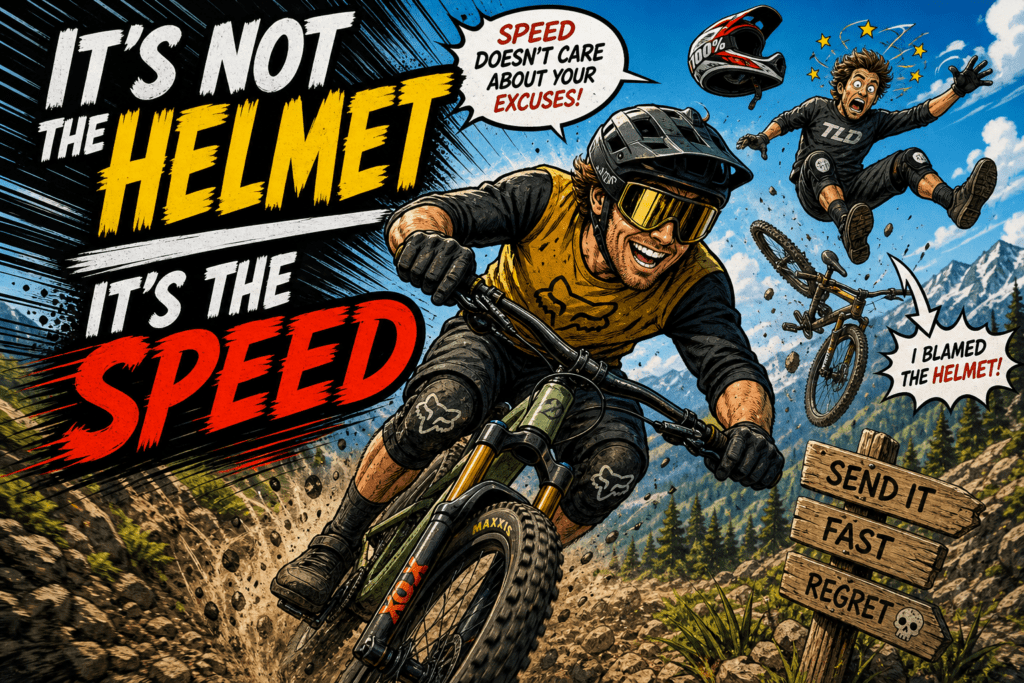
- It’s Not the Helmet — It’s the Speed
- Tiroler Zugspitz Arena MTB: Geheimtipp am Fuß der Zugspitze – Biberwier & Lermoos | #MTBlife
- Größter Indoor-Bikepark der Welt – die unglaubliche Geschichte von Ray Petro
- Blindsee Trail: Why the “Closure” Isn’t One — and Where the Fix Already Exists
- While the rest of us argue about access, Austria just built a 10km flow trail
- A World-Class Alpine Trail Is Being Killed Off – And the Reason Should Worry Every Rider
- More Bike, Less Moped: Why Avinox’s Power Statement Doesn’t Add Up
- Flow Line Bikepark Albstadt – kompletter Uncut-Run für Einsteiger





No responses yet