
Overloaded workshops, rising costs and a growing gap between riders and brands.
Published by Radical Life Studios / MTB Report
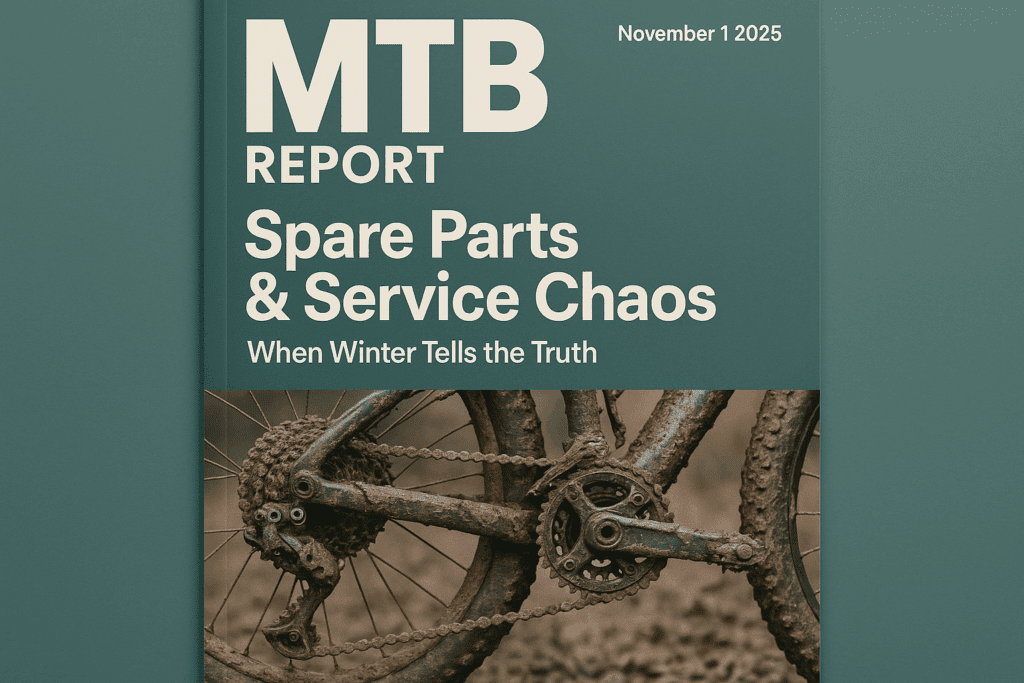
Doesn’t matter if it’s Santa Cruz, Cube or Canyon – when your bike breaks in 2025, you’d better clear your schedule.
Repairs take weeks, sometimes months.
Parts are out of stock, workshops are full, and prices are rising.
What used to be routine is now a privilege: getting your bike fixed.
Overloaded Shops, Overwhelmed Riders
The boom years flooded the market with e-bikes – but not with mechanics.
Workshops are drowning in repairs while spare parts are stuck in global supply chains.
Even simple fixes like bearing replacements can take weeks because components are proprietary or unavailable.
It’s not bad luck – it’s design.
Many brands have centralized their after-sales business to keep profit margins high, leaving local shops stranded.
And the riders? Waiting, frustrated, powerless.
When Maintenance Becomes a Business Model
Service used to mean support.
Now it’s a revenue stream.
Diagnostics, firmware updates, even battery checks – everything has a price tag.
That’s fine, if the service works. But too often, it doesn’t.
Brands no longer sell just bikes – they sell dependency.
Electronics: Blessing and Curse
E-MTBs are masterpieces of engineering – and that’s the issue.
The smarter the bike, the more fragile it becomes.
Sensors, apps, displays – one glitch and the ride’s over.
And with closed systems, only authorized workshops can touch them.
Convenient for brands. Frustrating for riders.
The Rise of DIY Resistance
A quiet rebellion is forming.
Riders are learning to fix their own gear again – through YouTube, forums, and good old trial and error.
DIY isn’t just about saving money. It’s about taking back control.
Because freedom doesn’t come from Bluetooth – it comes from a wrench.
What’s Really Missing: Trust
The service crisis isn’t mechanical. It’s cultural.
Brands, dealers and riders have lost connection.
And until that trust returns, no app, motor or update will fix the problem.
The bike industry has built rockets but forgotten the runway.
Technology has outpaced service – and the gap is widening.
If 2026 wants to call itself revolutionary, it needs one thing above all: people who care.
Because no matter how smart the bike gets – it’s still the rider who keeps it alive.
- Canyon’s Avinox-Powered Spectral:ON CF 9 Is a Value Bomb. Here’s the Fine Print.

- No Winner at Rampage: Right Call, Wrong Plan
- Orbea Wild LT vs. Santa Cruz Bullit: Who Is Really Building Whom?
- Fire Hits Atherton Bikes: What We Know, and Why This Brand Matters
- Focus Quits the Non-Electric Mountain Bike. Is the Entry-Level Hardtail Next?
- Riding in Spain This Winter? The Rules Just Changed
- Nobody Stole the Bike Industry. We Sold It.
- 32-Inch Just Won a World Title. Here Is What It Actually Means for Your Next Bike.
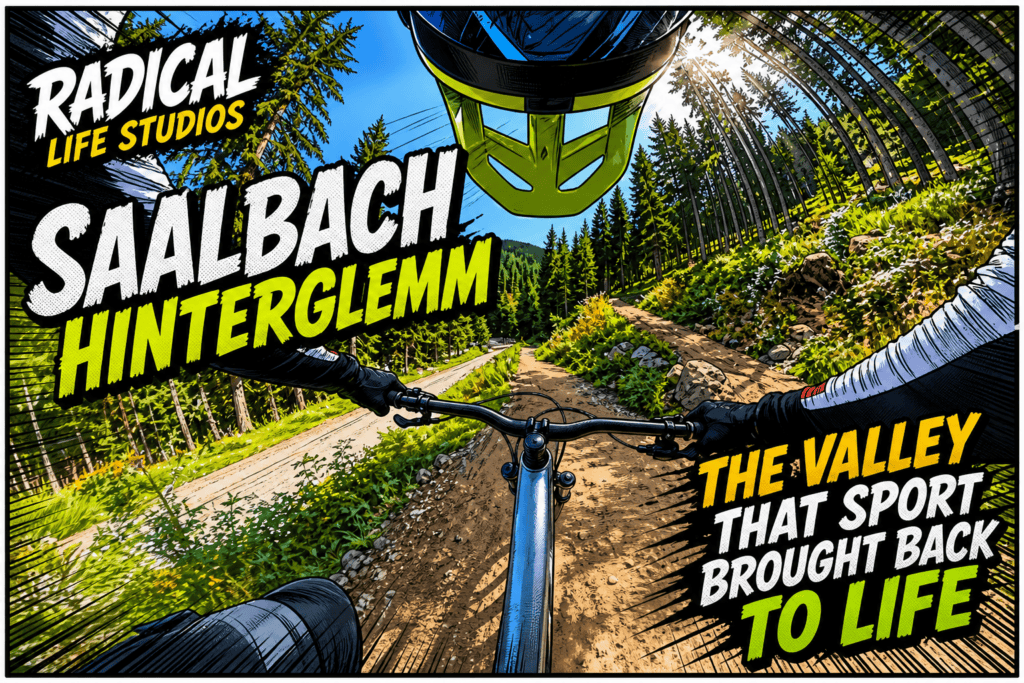
- Saalbach Hinterglemm: The Valley That Sport Brought Back to Life
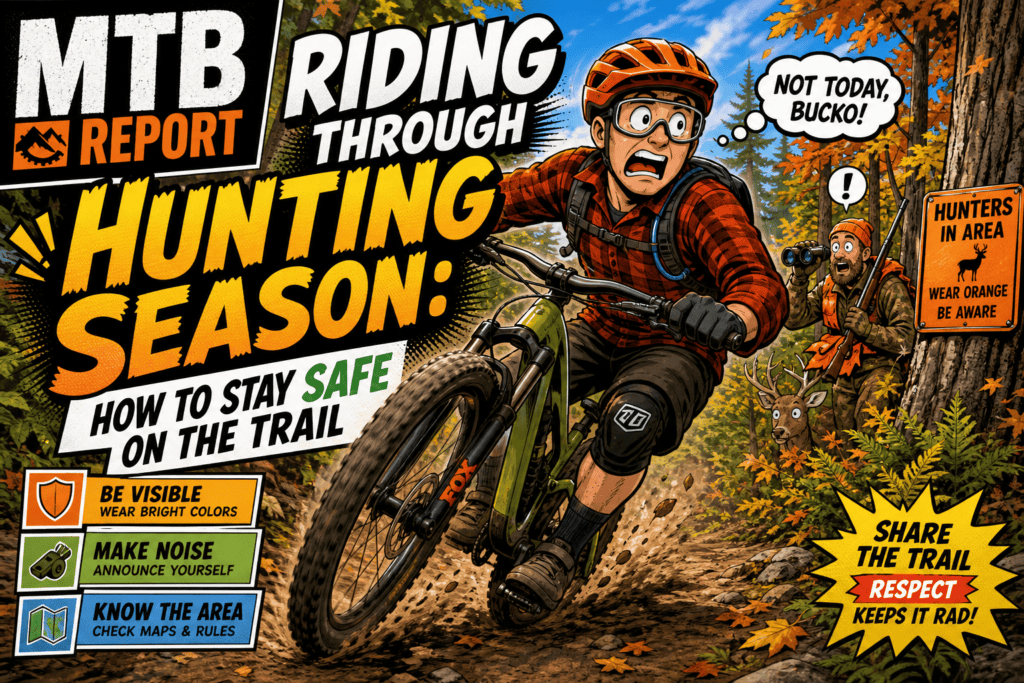
- Riding Through Hunting Season: How to Stay Safe on the Trail
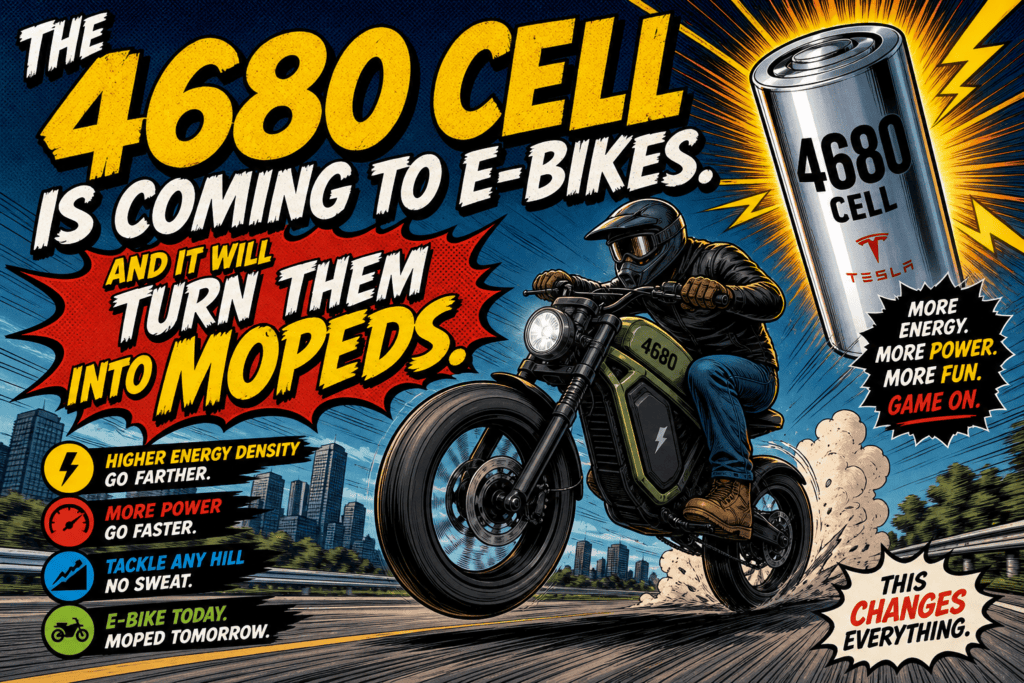
- The 4680 Cell Is Coming to E-Bikes. And It Will Turn Them Into Mopeds.
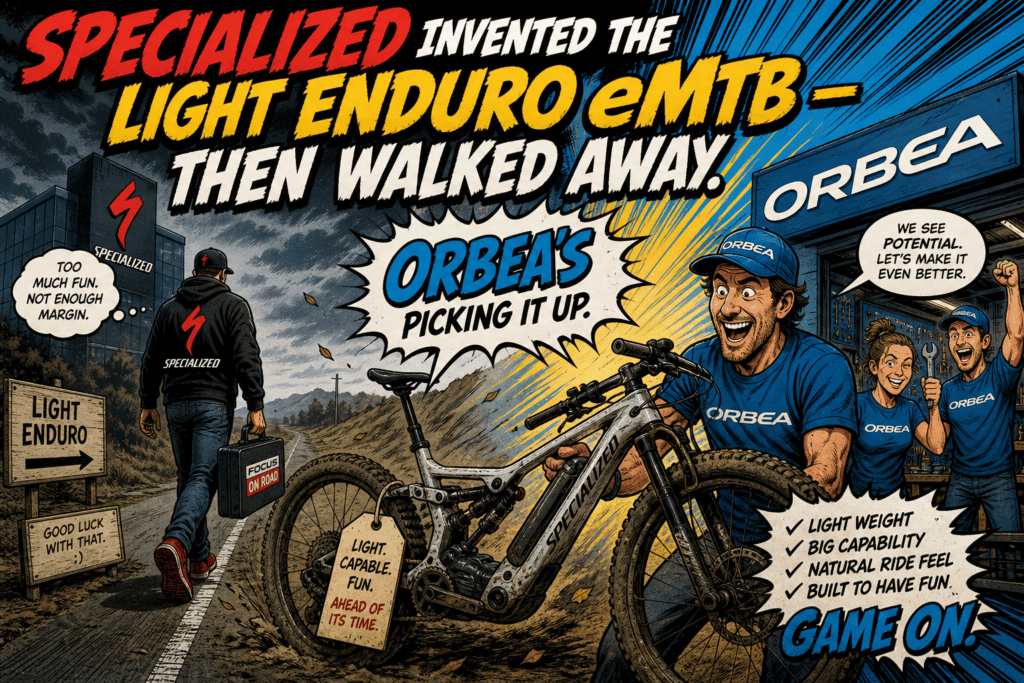
- Specialized Invented the Light Enduro eMTB — Then Walked Away. Orbea’s Picking It Up.




No responses yet