
Why suspension and tire trends are moving away from “big & soft” toward efficiency again**
Published by Radical Life Studios / MTB News
For years, mountain biking followed a simple trajectory: more travel, more damping, more volume, more grip. Tires became heavier, casings thicker, inserts stiffer. Suspension settings drifted toward plush, open and forgiving. Riders asked for grip everywhere, all the time — and the industry delivered.
But the tide is turning. Quietly at first, then unmistakably.
Across forums, race circuits and tech briefings, a new consensus is forming:
too much softness slows you down.
It numbs feedback. It eats energy. It turns every climb into a slog and every long ride into an effort you feel the next day. What once felt like security now feels like drag.
Suspension engineers report the same trend. Riders are running less sag, faster rebound and firmer midstroke support. The new generation of dampers, especially electronically assisted systems, is designed not just to absorb impacts but to preserve momentum. Bikes feel quicker because they waste less energy. They track better because they stand higher in their travel. The old “couch bike” philosophy is losing ground.
The same shift is happening with tires. After seasons dominated by wide 2.5 casings, heavy-duty carcasses and sticky compounds, many riders are returning to lighter, faster-rolling setups. A 2.4 with good construction rolls better, corners sharper and accelerates with less effort — and modern rubber compounds still offer enough grip to stay confident on technical terrain.
Racers were the first to make the shift. Enduro pros realized that softer tires and overly plush suspension robbed them of speed on long transfers and flatter stages. Downhill riders noticed that precision in the first half of the travel mattered more than bottomless comfort. What started at the top of the sport filtered down into everyday riding — and now shapes the way brands design bikes.
None of this means the industry is going backward. Quite the opposite. The push toward efficiency is a sign that bikes have matured. Frames are stiffer, geometry is sorted, and suspension platforms are more predictable. With these foundations in place, riders can afford to choose sharper, more responsive setups without sacrificing control.
The era of “more everything” is ending.
The era of “the right amount in the right place” is taking over.
It’s not a trend driven by marketing.
It’s a correction driven by experience.
And riders everywhere are rediscovering something fundamental:
A bike that gives you feedback is a bike you can trust.
Links & Sources (international)
Suspension Development Insights
https://www.pinkbike.com/
https://www.sram.com/en/rockshox
https://www.ridefox.com/
Tire Technology & Compound Research
https://www.schwalbe.com/en/tech-info
https://www.maxxis.com/us/tubes-tires/
Racing Trends & Pro Setup Discussions
https://www.enduro-mtb.com/en/
https://www.vitalmtb.com/
- Canyon’s Avinox-Powered Spectral:ON CF 9 Is a Value Bomb. Here’s the Fine Print.

- No Winner at Rampage: Right Call, Wrong Plan
- Orbea Wild LT vs. Santa Cruz Bullit: Who Is Really Building Whom?
- Fire Hits Atherton Bikes: What We Know, and Why This Brand Matters
- Focus Quits the Non-Electric Mountain Bike. Is the Entry-Level Hardtail Next?
- Riding in Spain This Winter? The Rules Just Changed
- Nobody Stole the Bike Industry. We Sold It.
- 32-Inch Just Won a World Title. Here Is What It Actually Means for Your Next Bike.
- Saalbach Hinterglemm: The Valley That Sport Brought Back to Life
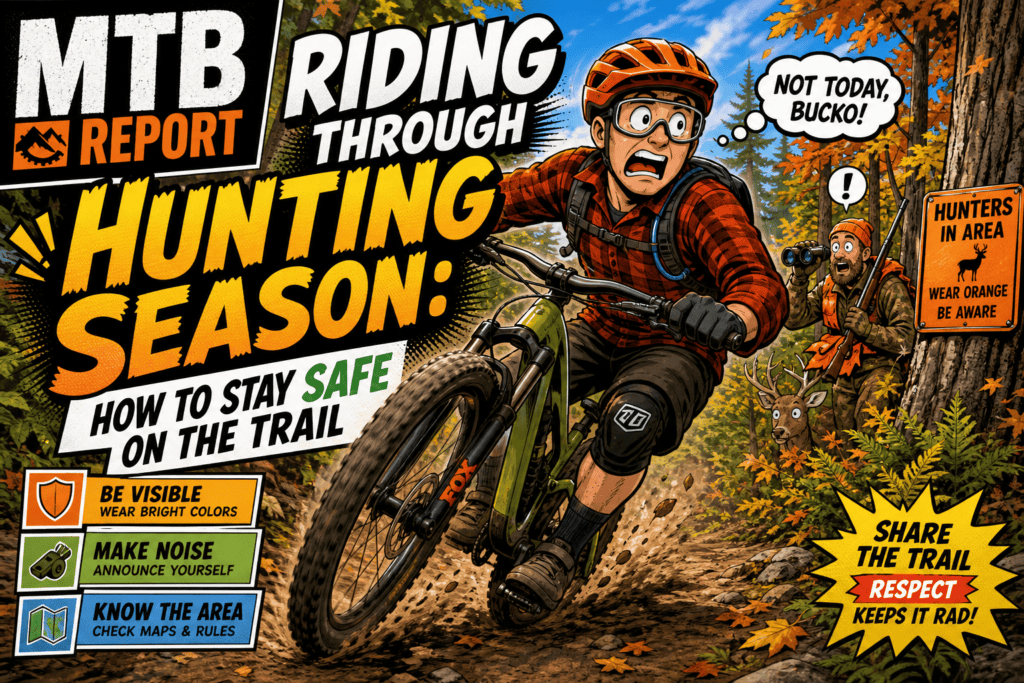
- Riding Through Hunting Season: How to Stay Safe on the Trail
- The 4680 Cell Is Coming to E-Bikes. And It Will Turn Them Into Mopeds.
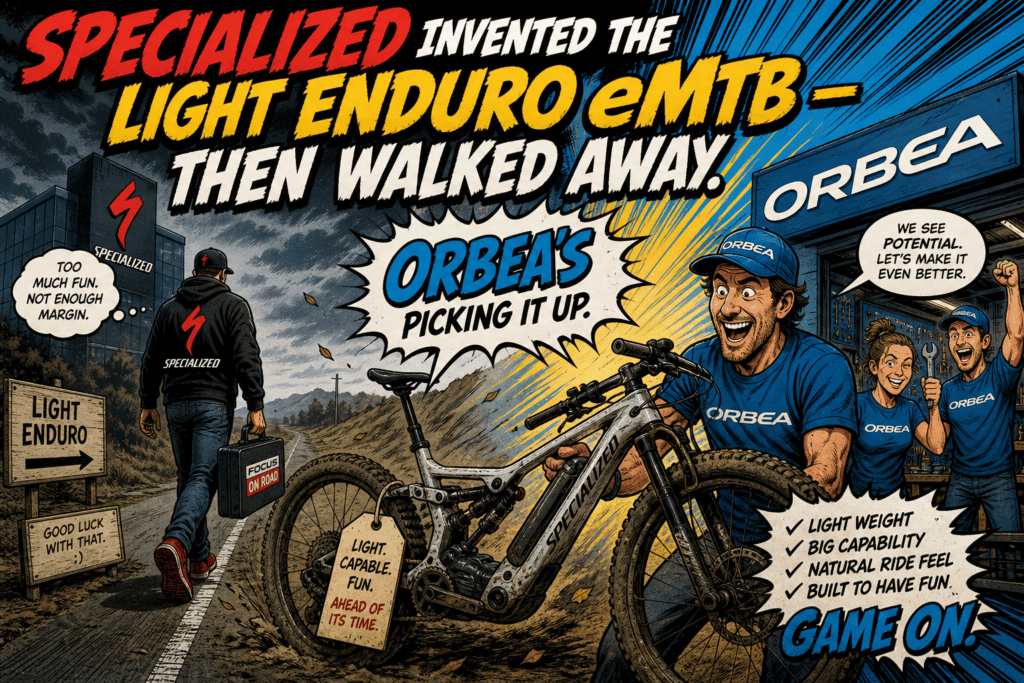
- Specialized Invented the Light Enduro eMTB — Then Walked Away. Orbea’s Picking It Up.






No responses yet