How Cube became the people’s brand – and why that’s no accident.
Published by Radical Life Studios / MTB Report
Cube divides opinion.
For some, it’s the benchmark for value. For others, the discount version of a premium dream.
Love it or not – Cube achieved what few European brands have: market power through scale.
And in 2025, that strategy is reshaping MTB.
From Garage to Global Machine
What started small in Bavaria now operates with serious manufacturing capacity, logistics and a distribution network that’s hard to beat.
Cube doesn’t just sell stories – it sells availability.
Cost Logic, Not Perfection Worship
While brands like Santa Cruz or Yeti lean on emotion, myth and premium detail, Cube bets on cost optimization and scale:
“Maximum from Minimum” – as much bike as possible for the money.
Cube doesn’t build perfect boutique bikes; it builds very good average bikes for a very large audience.
Designs are intentionally mainstream, specs pragmatic, manufacturing efficiency-driven.
End result: functional, available, affordable bikes that simply work – exactly what most riders actually need.
The Downside of Scale
Scale can dilute magic.
Critics miss strong identity, experimentation or wow-factor.
But sales say otherwise: the majority values utility over aura – and Cube delivers consistently.
Timing Is the Quiet Superpower
Cube watches, waits and releases the exact spec mix the mass market wants.
Low risk, few missteps. No radical concepts – just spot-on packages.
While others chase big image arcs, Cube ships bikes that exist – and do the job.
Cube isn’t a legend. Cube is a system.
A calculated counter-model to boutique perfectionism.
Call it boring – or brilliant.
Either way, 2025 proves that market reach beats battery range.
- A German Town Takes Over Its Ski Lift. Now Its Bike Park Needs an Operator

- Canyon’s Avinox-Powered Spectral:ON CF 9 Is a Value Bomb. Here’s the Fine Print.
- No Winner at Rampage: Right Call, Wrong Plan
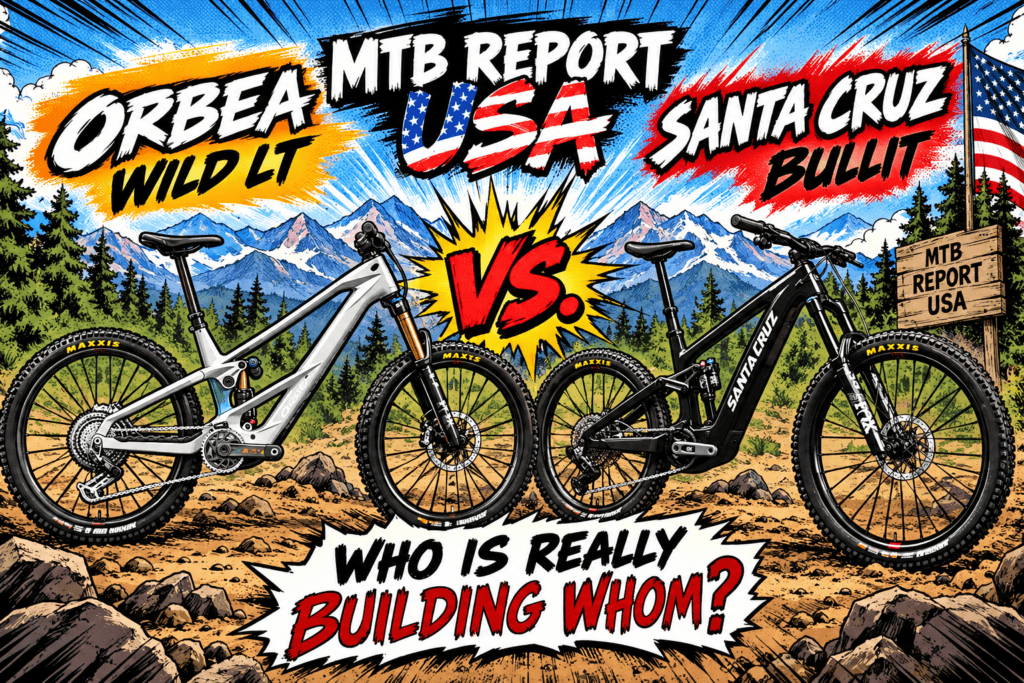
- Orbea Wild LT vs. Santa Cruz Bullit: Who Is Really Building Whom?
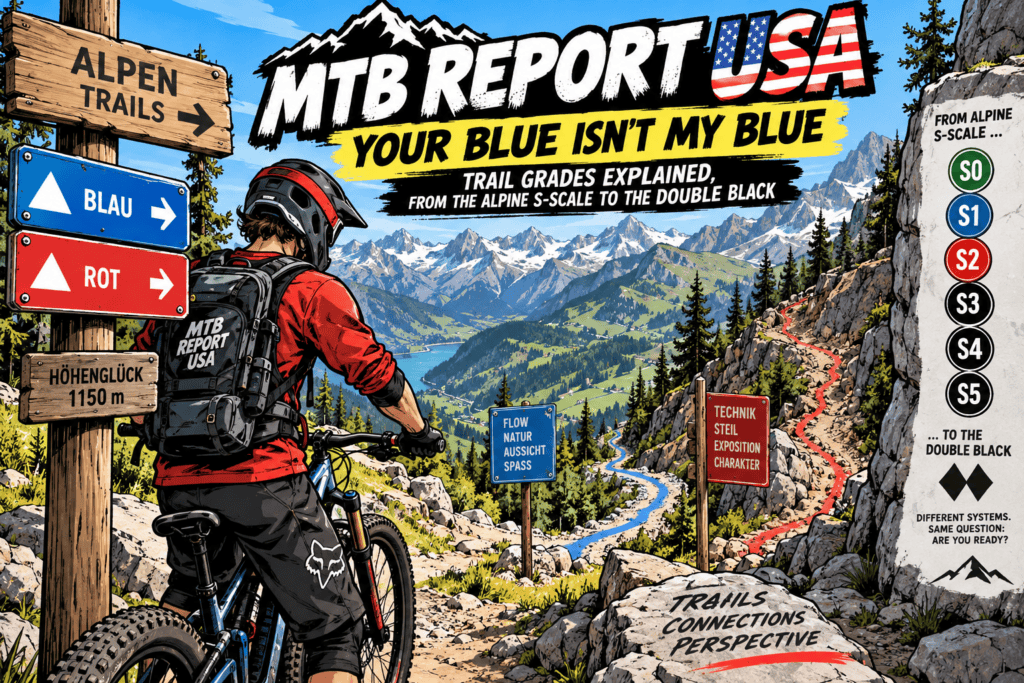
- Your Blue Isn’t My Blue: Trail Grades Explained, from the Alpine S-Scale to the Double Black
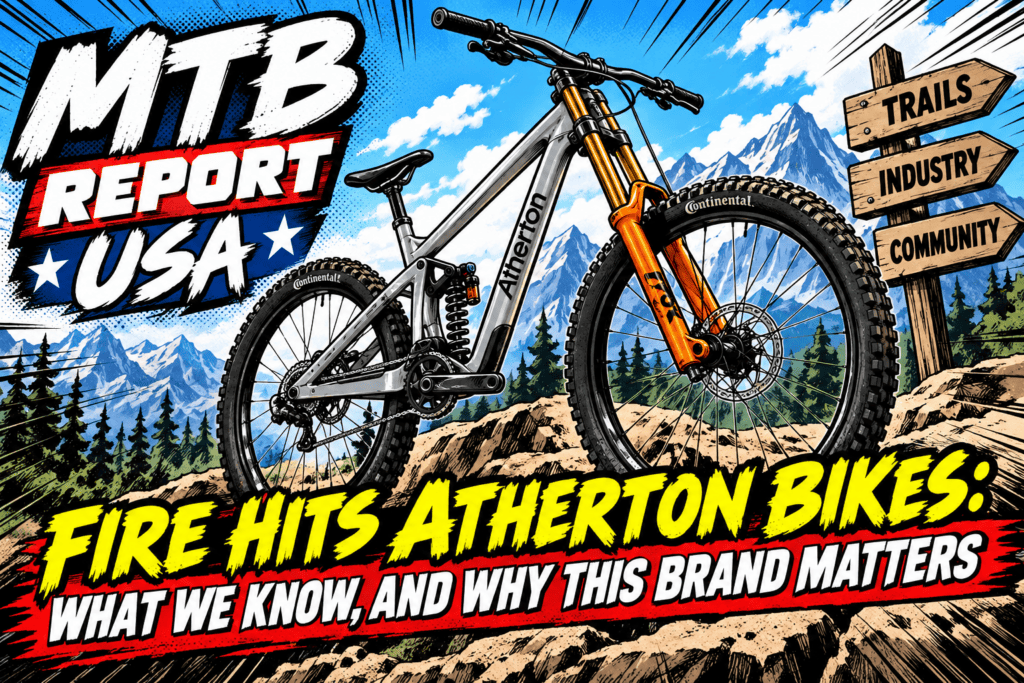
- Fire Hits Atherton Bikes: What We Know, and Why This Brand Matters
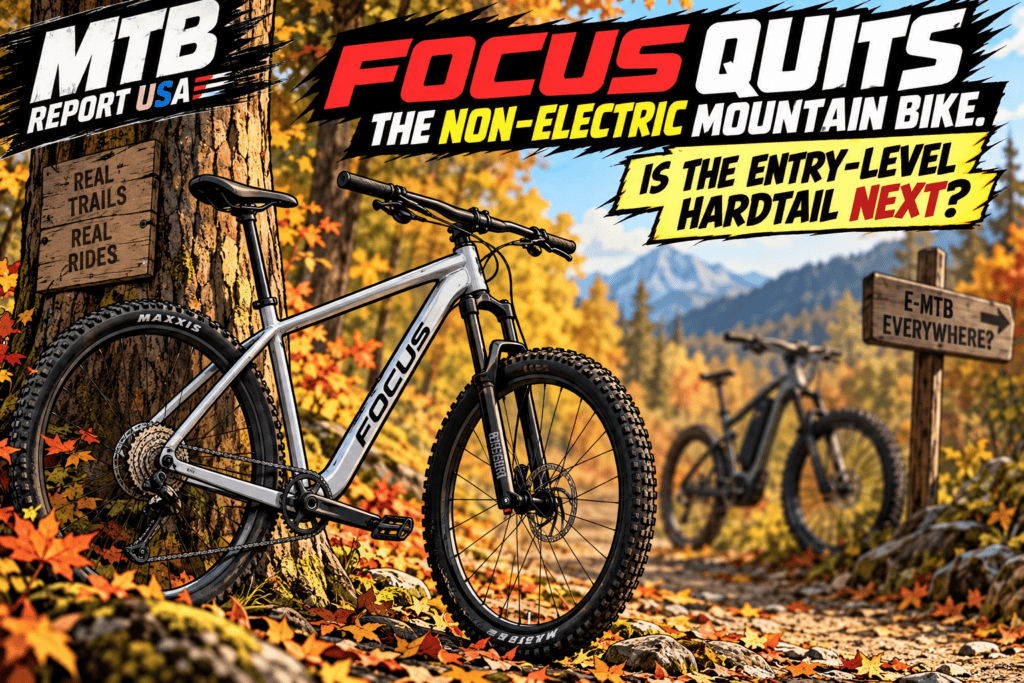
- Focus Quits the Non-Electric Mountain Bike. Is the Entry-Level Hardtail Next?
- Riding in Spain This Winter? The Rules Just Changed
- Nobody Stole the Bike Industry. We Sold It.
- 32-Inch Just Won a World Title. Here Is What It Actually Means for Your Next Bike.
- Saalbach Hinterglemm: The Valley That Sport Brought Back to Life
- Riding Through Hunting Season: How to Stay Safe on the Trail
- More Bike, Less Moped
- The 4680 Cell Is Coming to E-Bikes. And It Will Turn Them Into Mopeds.
- Specialized Invented the Light Enduro eMTB — Then Walked Away. Orbea’s Picking It Up.
- Baby Blue on Pink: The Kit That Tells Tahnée Seagrave’s Whole Story
- The Enduro World Cup Is Dead and Whistler Just Became the Center of the Universe
- Austria Just Saved a Classic Trail. Now Let’s Talk About Us.
- The 750-Watt Line: Why DJI’s Avinox Has to Dumb Itself Down Just to Race
- Paganella Part 1: The New TOP GUN Trail & Why I Skipped Lake Garda | #MTBlife S04E13
- Accell’s Rescue Collapses: What Now for Raleigh, Haibike, Ghost and Lapierre
- Santa Cruz Blur 5 vs. Specialized Epic 9: The Pure XC Race Bike Is Dead — and Normal Riders Win (Sort Of)
- Paganella Bike Park: The Complete Guide to Trentino’s Three-Zone Playground
- The Million-Dollar Trail Town – and the Ban That Nearly Killed the Model
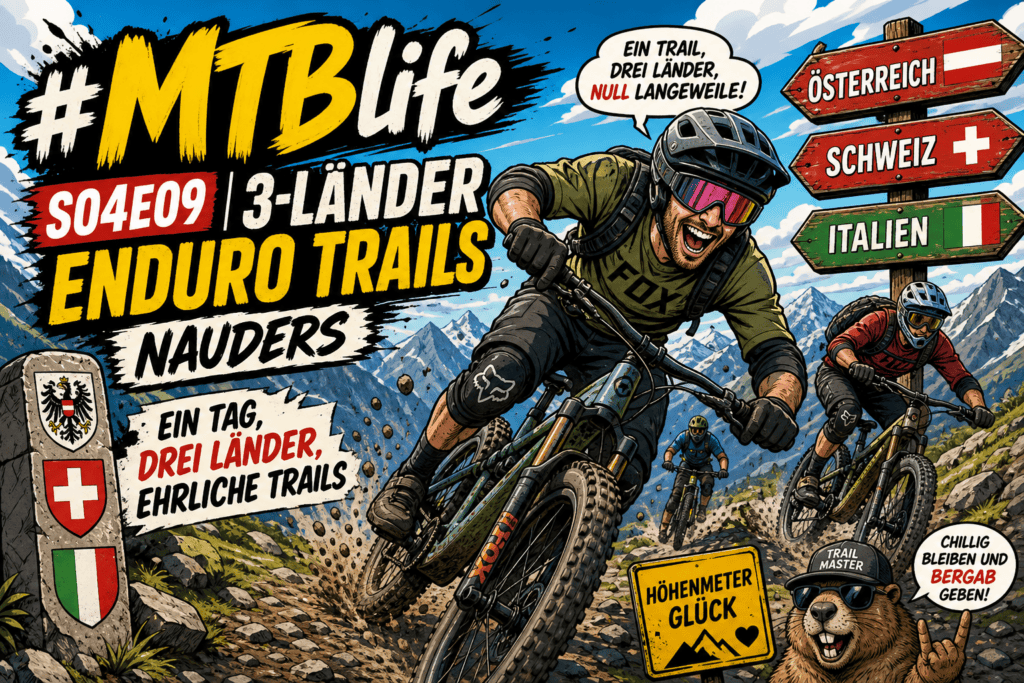
- 3-Country Enduro Trails at Reschen Pass: All Trails, Prices & Info 2026
- Who Owns Your Bike Brand Now? What the Dutech–Accell Deal Means for Haibike, Lapierre & Raleigh
- The Bike Industry Is Having Its iPhone Moment – and Nobody Ordered the Small One
- MTBlife S04E09 | 3-Länder Enduro Trails Nauders – Ein Tag, drei Länder, ehrliche Trails
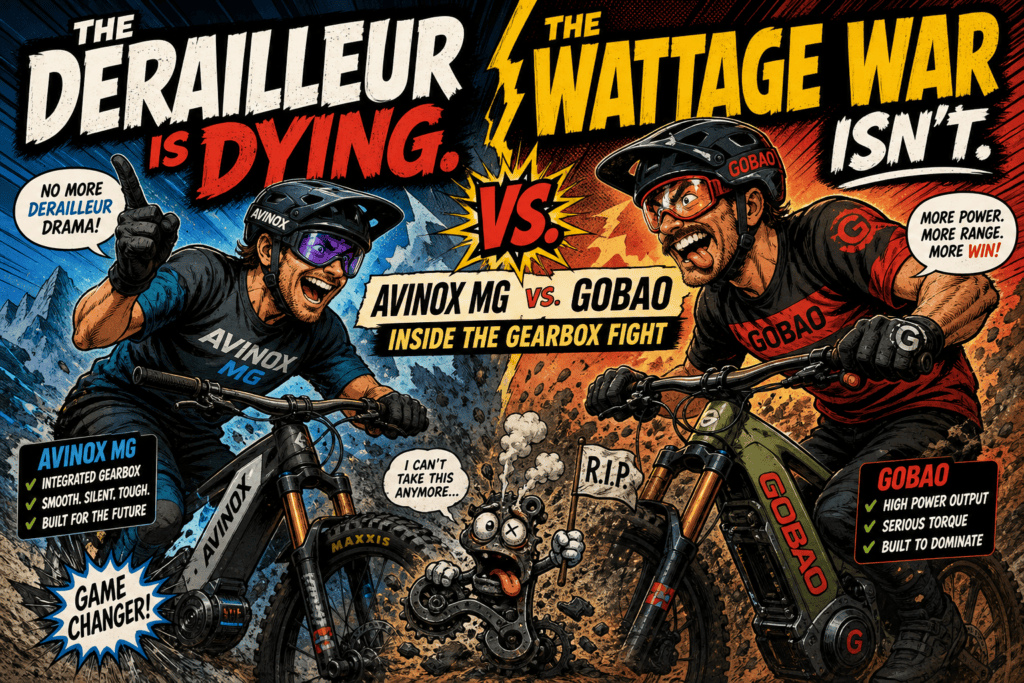
- The Derailleur Is Dying. The Wattage War Isn’t. Avinox MG vs. Gobao – Inside the Gearbox Fight
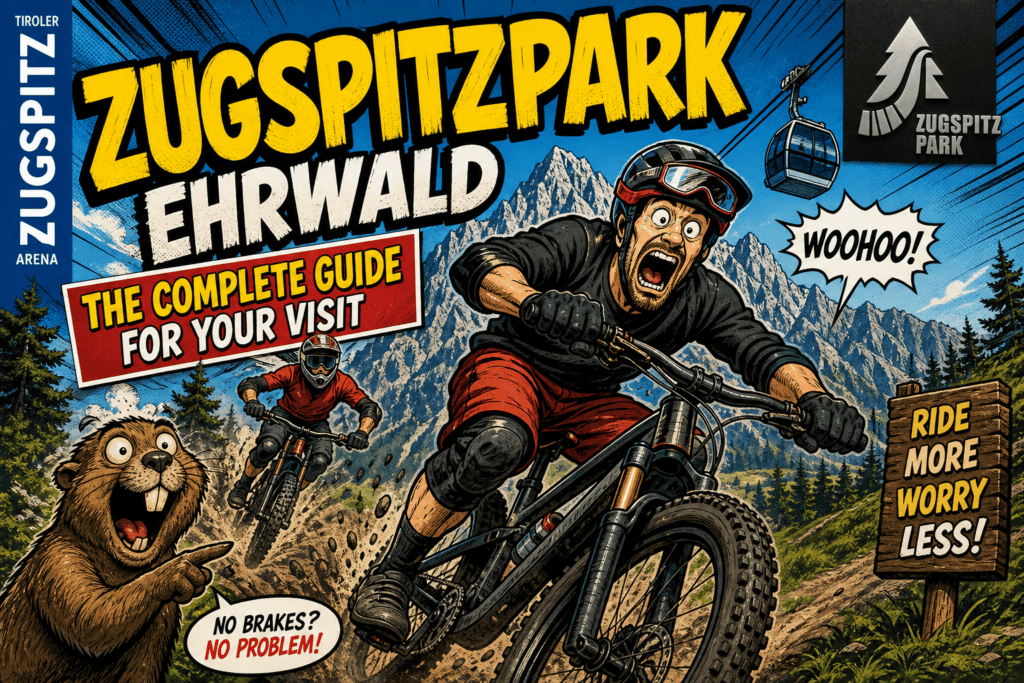
- Zugspitzpark Ehrwald – The Complete Guide for Your Visit





No responses yet